
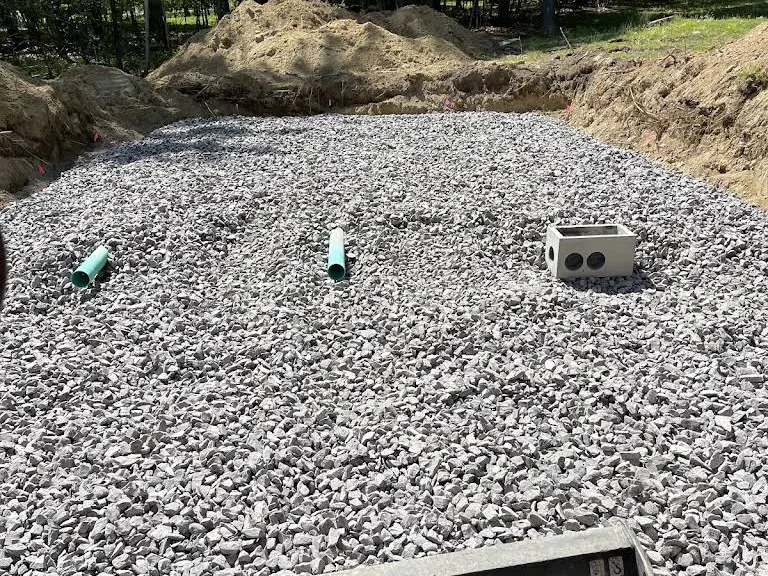
Leach Field Replacement
A failed leach field can push wastewater up into the yard or back into the house. We build the new field to the site evaluator's design and put the quote in writing.
Learn More
Raymond has no public sewer system. Homes run on their own septic systems, from lake camps on Jordan Bay to houses on North Raymond Road. Most of the town's lakes and ponds drain to Sebago Lake, which supplies Greater Portland's drinking water. Septic system installation in Raymond starts with the soil on each lot and its distance from the water.
Sebago Lake Septic is based in Gorham, and Raymond is part of our service area. Our main line of work is leach field replacement, and we handle septic system installation around Gorham and Sebago Lake. A site evaluator designs the new system, and we do the dig and the build. Call or text (603) 520-1970, and we will look at the job and put the quote in writing.
Tell us about the leach field, septic system, sewage pump or sewer line and where the property is. We look at the job and put the quote in writing.
Raymond's 2025 town plan says the town has no public sewer system. The closest sewer connection is in Westbrook, and the plan finds no need for a central sewer. Residents hire companies to haul away septic waste, and the town no longer has a sludge dump.
About 94 percent of Raymond's roughly 3,050 homes are single-family detached houses, in the latest Census estimates. Residential lots average 3.3 acres, the plan reports. Most residents draw water from private wells, and most of those wells are drilled into bedrock. So most lots hold both a well and a leach field.
Census counts show 32 new single-family homes permitted in Raymond in 2025, up from 9 in 2024. With no sewer to tie into, each one needs its own septic system.
Raymond's share of Sebago Lake includes Jordan Bay, one of the lake's three bays. The water is clean enough that the Portland Water District is exempt from the federal filtration requirement. The district also issues septic permits for properties within 200 feet of the lake's normal high water mark. A new or replacement system there needs that permit on top of the town's.
Water covers about a quarter of Raymond's total area, by Census figures. Panther Pond alone covers 1,417 acres, and Crescent Lake covers 716. State law draws the shoreland zone 250 feet back from a great pond's normal high-water line. Raymond's shoreland rules on clearing and stormwater go beyond the state's minimum standards.
Raymond's 1995 septic ordinance covers every septic system in that zone. It lets the local plumbing inspector dye test systems within 250 feet of a lake or great pond. A system that fails has to be fixed by its owner. On a tight lake lot, the fix may include an advanced treatment system ahead of the field.
By the late 1800s, camps and lodges were going up along Raymond's waterfronts. Starting in the 1950s, more summer residents made Raymond their permanent home. Seasonal homes make up about a third of the housing, and the plan estimates summer nearly triples the population.
In the shoreland zone, state law requires a seasonal conversion permit before a camp becomes a year-round home. The local plumbing inspector issues it, and a camp that uses a holding tank cannot qualify. Raymond has no sewer, so the camp's septic system decides the permit.
That leaves two ways to qualify. One is a septic application completed after July 1, 1974, that shows the system largely meets the rules. The system also has to have been installed with its permit and certificate of approval. The other is a replacement system built to meet the state rules and the town's ordinances.
Without a qualifying permit on file, the camp needs a replacement system built to the rules. For a septic system replacement, a site evaluator designs it and we build it after the permit issues.
NRCS soil maps put Hermon soils on about a third of Raymond's land. Hermon soils formed in stony, sandy till, and they drain fast. Paxton soils come next, with a dense layer of till about 20 to 40 inches down. Water can perch on that layer for short spells from late fall into early spring.
Those maps rate nearly all of Raymond's land very limited for conventional septic fields. Fast seepage through sandy till is the most common reason, and groundwater near the surface comes next. Ledge within 20 inches of the surface limits about a tenth of the land, mostly on the ridges. NRCS itself says an onsite evaluation is required before the final site is selected.
Raymond grew from 732 people in 1960 to 4,536 in the 2020 Census. In the latest Census estimates, the median Raymond home was built in 1976. About 44 percent were built before 1970, and the state's septic permit files start in 1974. When an older system acts up, septic system repair starts with finding the failed part.
Communities and areas we serve around Raymond: Raymond Village, East Raymond, North Raymond, Raymond Cape, Jordan Bay, Panther Pond, Crescent Lake, Raymond Pond, Thomas Pond, Notched Pond, Raymond Hill, Route 302.
Raymond ZIP codes served: 04071.
Raymond is part of our service area. We look at the job and put the quote in writing before work starts.
(603) 520-1970 A failed leach field can push wastewater up into the yard or back into the house. We build the new field to the site evaluator's design and put the quote in writing.
Learn More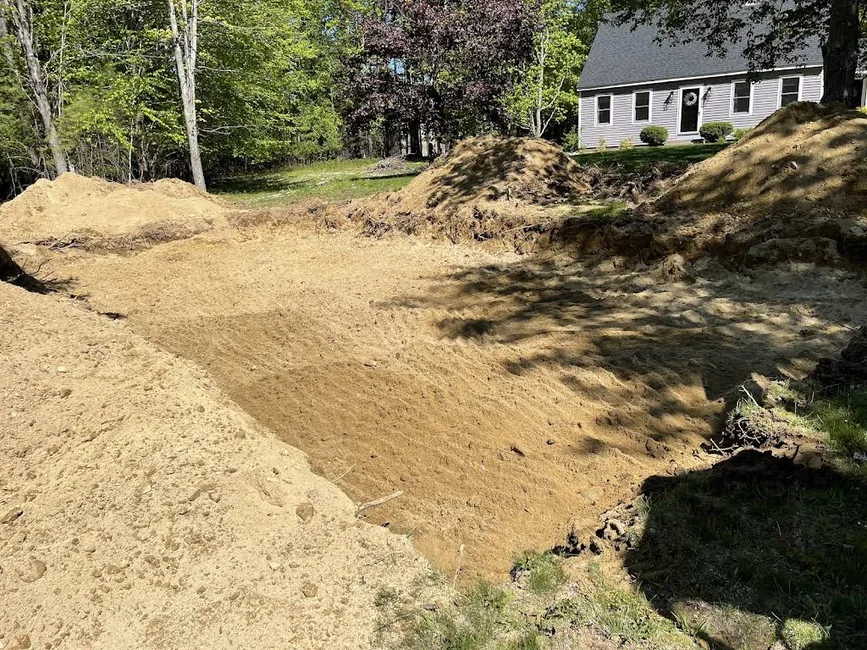
When a failed septic system is past repair, we replace the whole system at your home. A site evaluator designs the new one, and we build it to that plan.
Learn More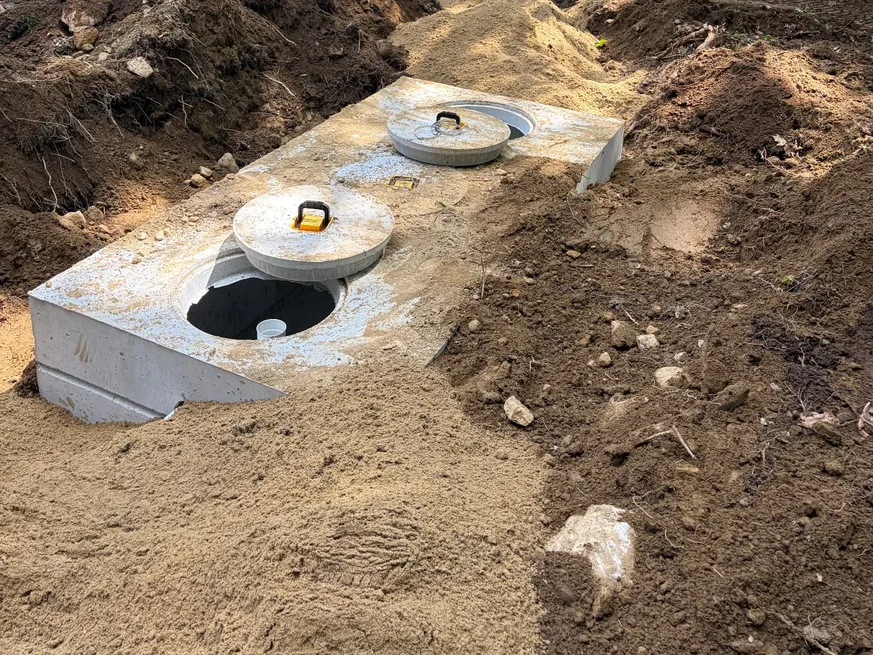
We find the part of your septic system that failed and fix that part. Every repair is quoted in writing before work starts.
Learn More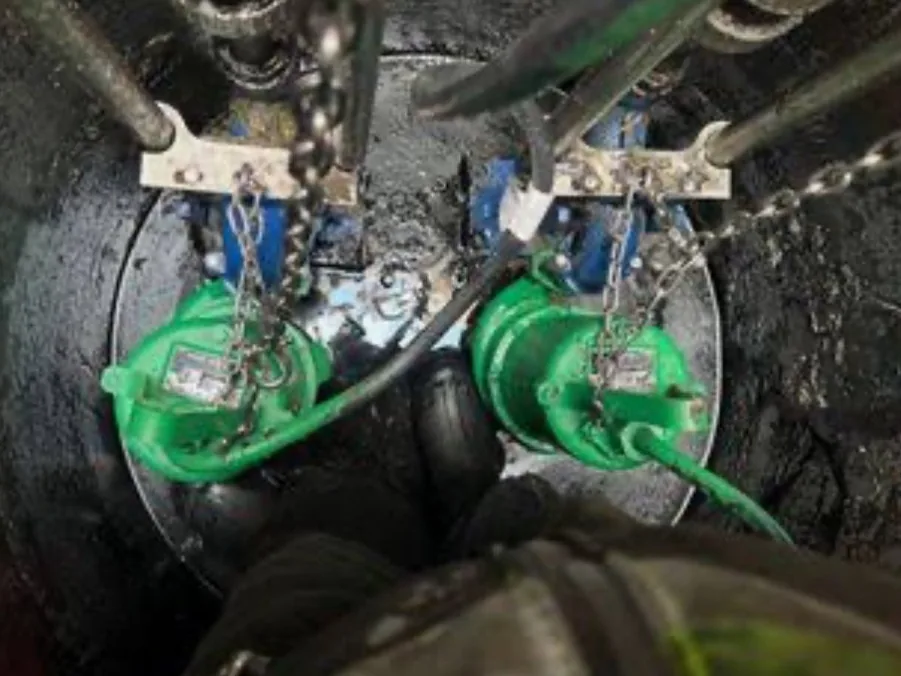
We repair and replace septic pumps, along with their floats and high-water alarms. When the alarm sounds, call or text and we find the failed part.
Learn More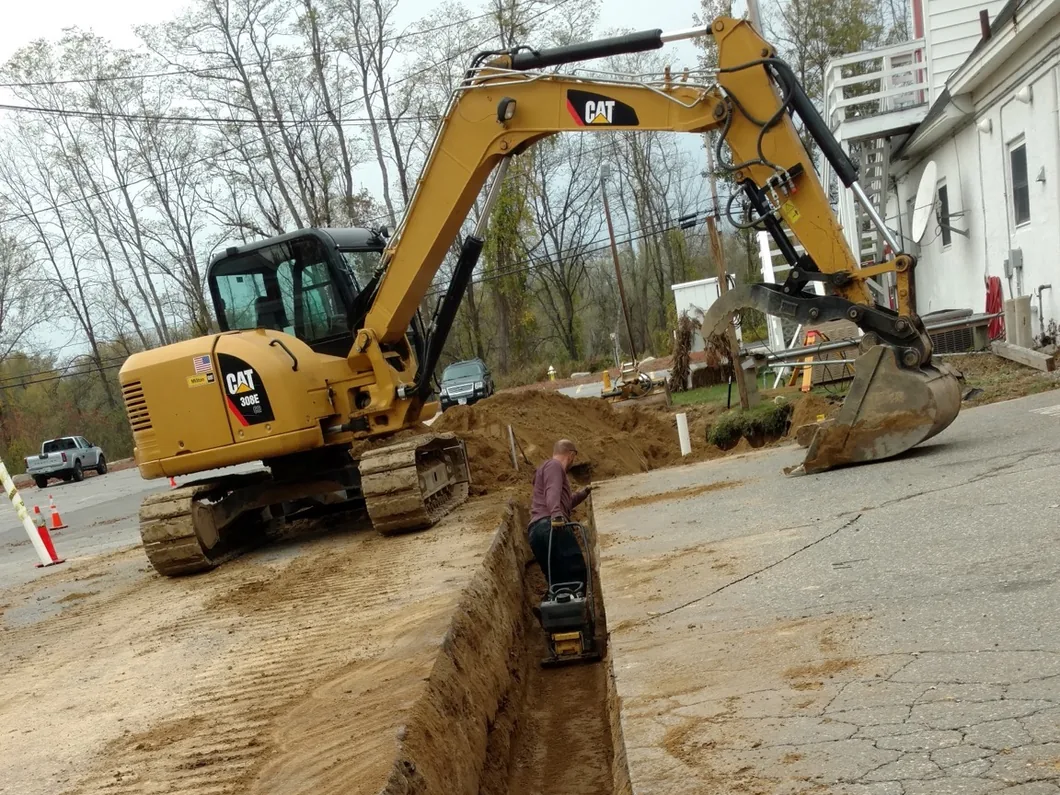
We repair and replace the buried sewer line from your house to the septic tank or the street sewer. Broken or root-filled pipe gets dug out and relaid on a steady grade.
Learn More
A tipped D-box sends most of the flow to one part of your leach field. We level or replace the box so every line shares the load.
Learn More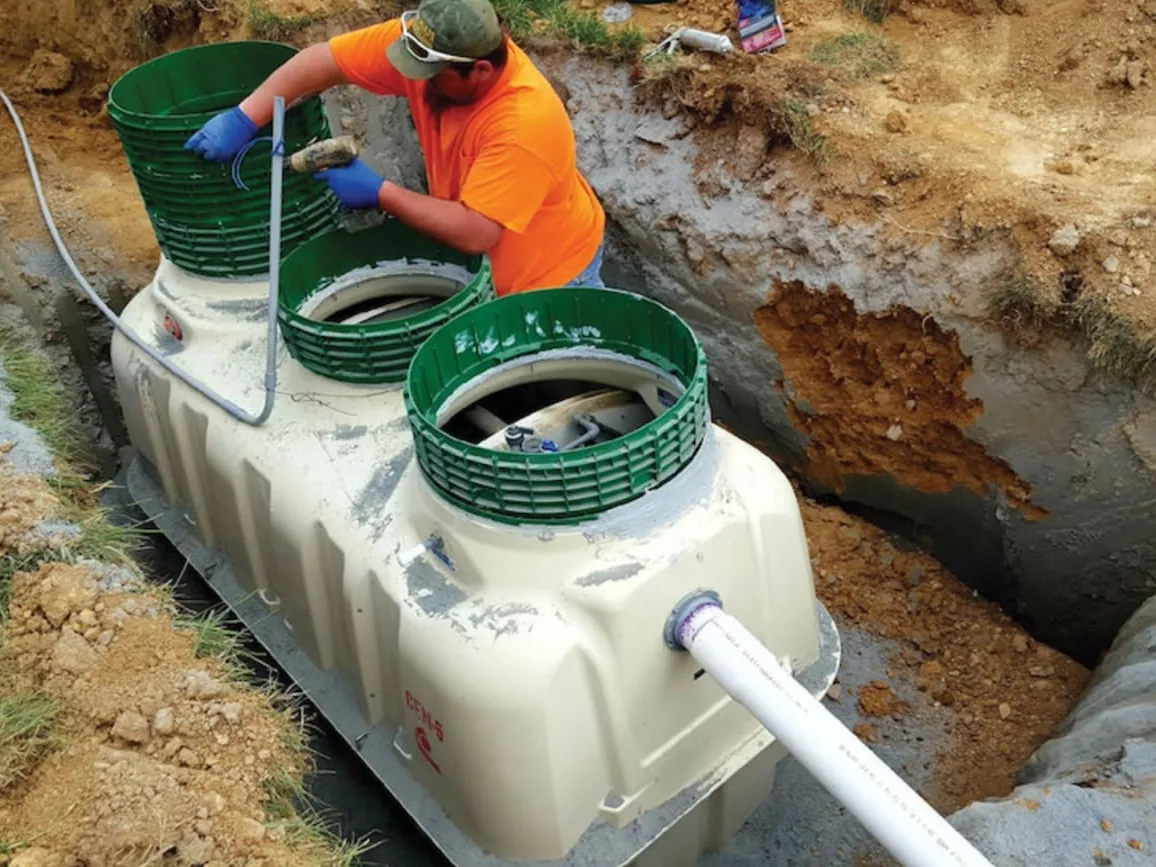
A treatment unit cleans the wastewater before the leach field, which can help a system fit a hard lot. We install advanced treatment systems around Gorham and Sebago Lake and put the quote in writing.
Learn More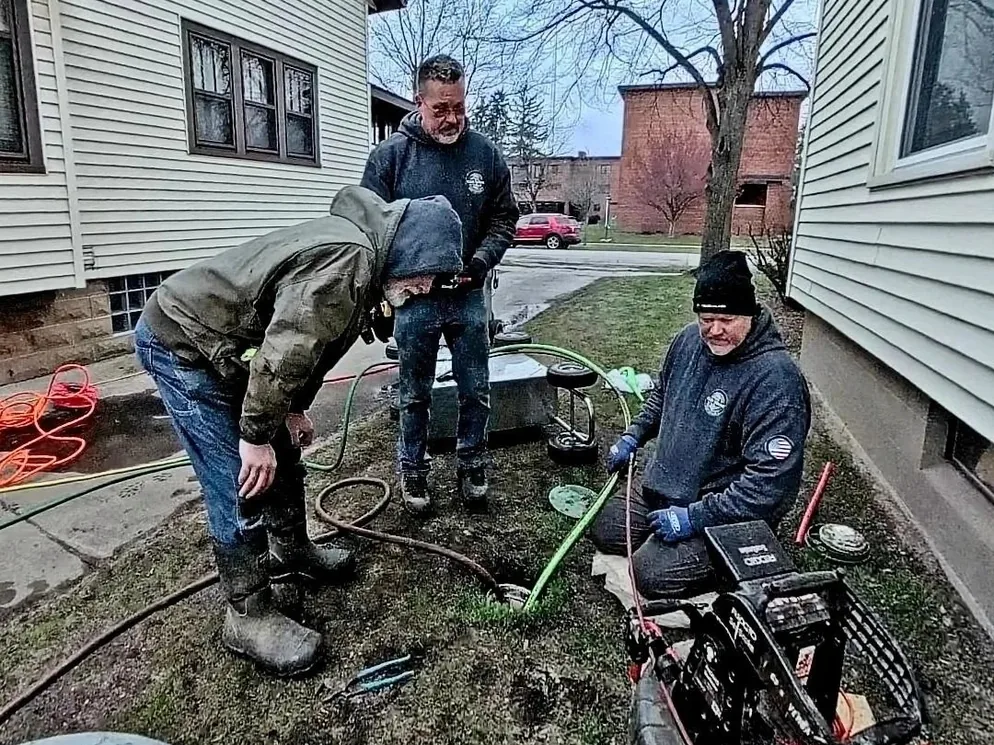
Sewer jetting clears clogged sewer and septic lines with water under high pressure. We jet the buried lines outside the house and put the quote in writing first.
Learn MoreA few of the questions we hear most around Raymond. If yours is not here, call or text and ask.
Tell us about the septic problem and the town the home is in. Call or text (603) 520-1970 or use the form, and we will get back to you.
Tell us about the leach field, septic system, sewage pump or sewer line and where the property is. We look at the job and put the quote in writing.