
System Replacement
When a failed septic system is past repair, we replace the whole system at your home. A site evaluator designs the new one, and we build it to that plan.
Learn More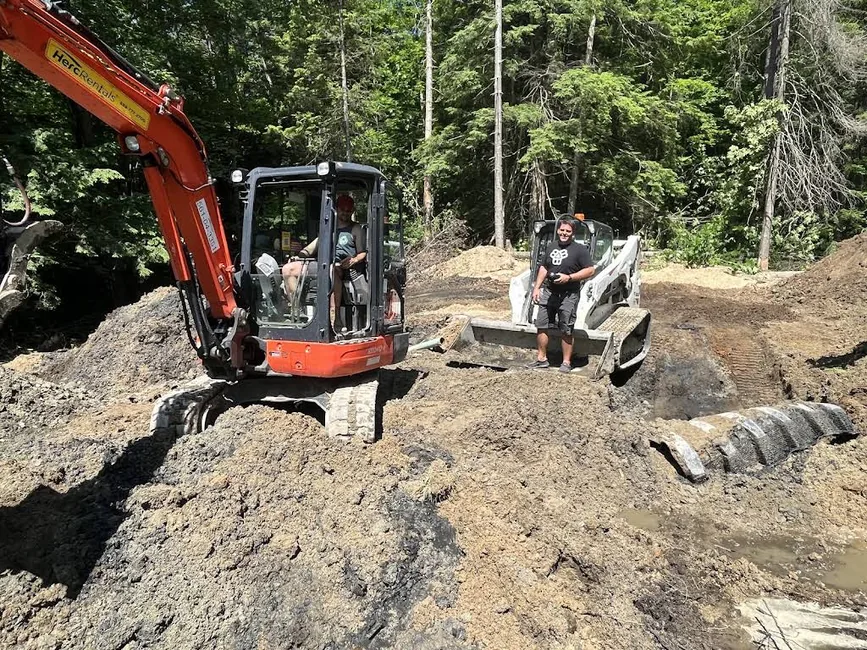
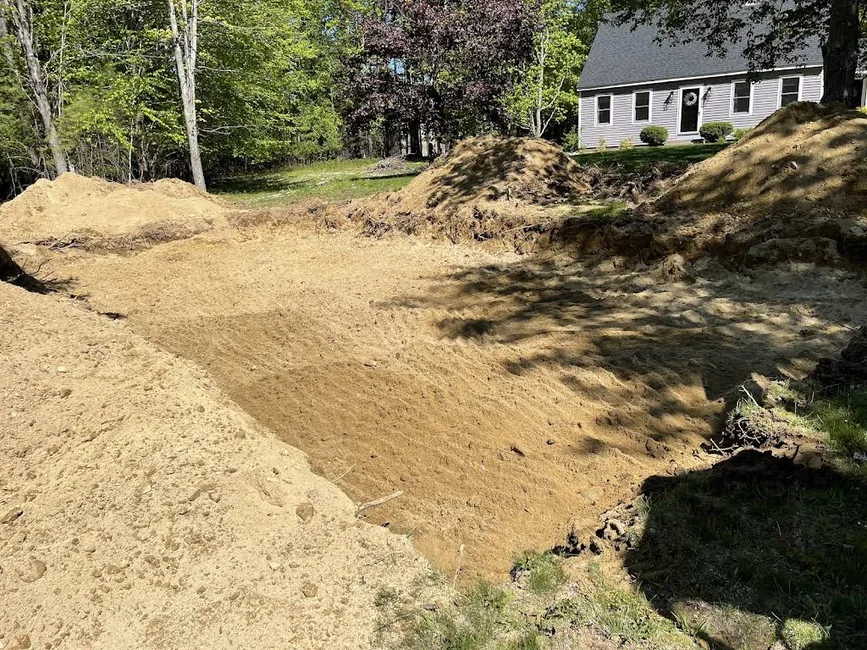
Leach field replacement is the main line of work at Sebago Lake Septic. A leach field is the buried part of a septic system that spreads water from the tank into the soil. When it fails, wastewater can come up in the yard or back up into the house. We build the new field to a site evaluator's design, then restore the yard.
Based in Gorham, we serve homes in the towns around Sebago Lake. If the tank and pipes have failed too, septic system replacement may fit better. Call or text (603) 520-1970. We look at the job and put the quote in writing before work starts.
Tell us about the leach field, septic system, sewage pump or sewer line and where the property is. We look at the job and put the quote in writing.
Some signs of a failing leach field show up in the yard. The EPA lists standing water or damp spots over the field, along with sewage odors. It also lists bright green, spongy grass over the field, even in dry weather.
Inside, sinks and tubs may drain slowly, and toilets can back up. Maine's rules call a leach field a disposal field. The rules count wastewater on the ground as a malfunction, along with backups not caused by a plumbing clog.
Once a field fails, Maine's septic program advises having a pumping company empty the tank first. Keep it pumped until the new field is in, so wastewater stops reaching the failed one.
In Maine, a replacement leach field starts with a site evaluation. A site evaluator checks the soil in test holes and draws the plan on the state's HHE-200 form. The plan sets the field's size and how deep it sits. The town's local plumbing inspector (LPI) issues the permit, and work waits until it does.
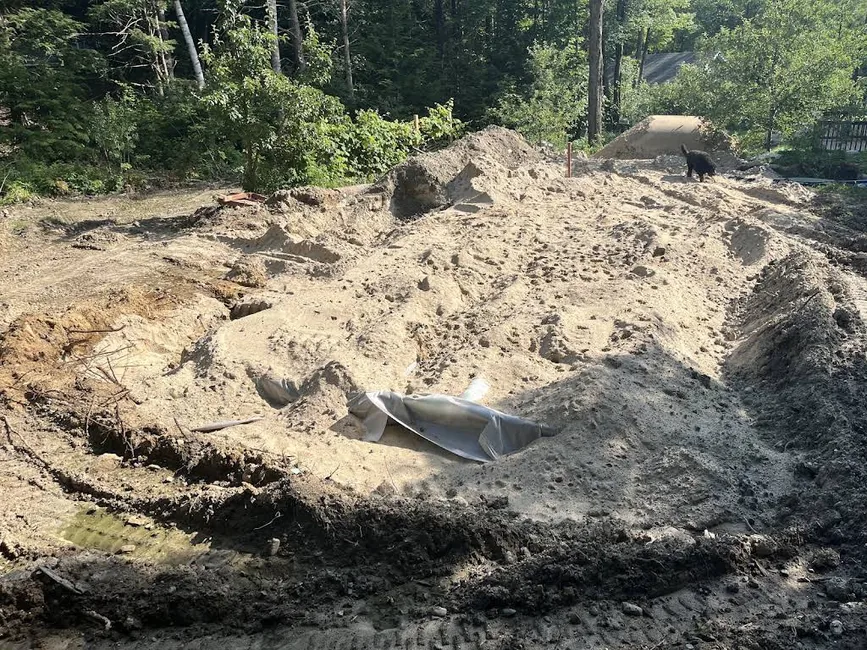
Maine allows stone and pipe laid in trenches or a bed. Approved devices, such as concrete or plastic chambers, can take the place of the stone and pipe. Where the water table or ledge sits close to the surface, the field is built up on fill. The fill then slopes down to the natural ground, at least 4 feet out for each foot of drop.
On a replacement, site evaluators must try to meet new-system standards, with special care in the shoreland zone. Closer setbacks, to a well or the water, are allowed only when nothing else fits. Within 200 feet of Sebago Lake, the Portland Water District requires its own septic permit, on top of the town's. On a tight lake lot, the design may call for an advanced treatment system ahead of the field.
Before any dig, Maine's Dig Safe law calls for notice through 811 at least three business days ahead. Utilities mark their own lines, but private lines, like a buried well line, are the owner's to point out. After site prep, the LPI inspects the cleared and roughened ground.
The rules say heavy machines should not drive on the open field bottom, so the soil does not pack down. The bottom sits at the depth on the permit, level within 2 inches over 100 feet. Clean stone goes at least 7 inches below the pipes in a stone bed, or 12 inches in trenches. Filter fabric then covers the stone.
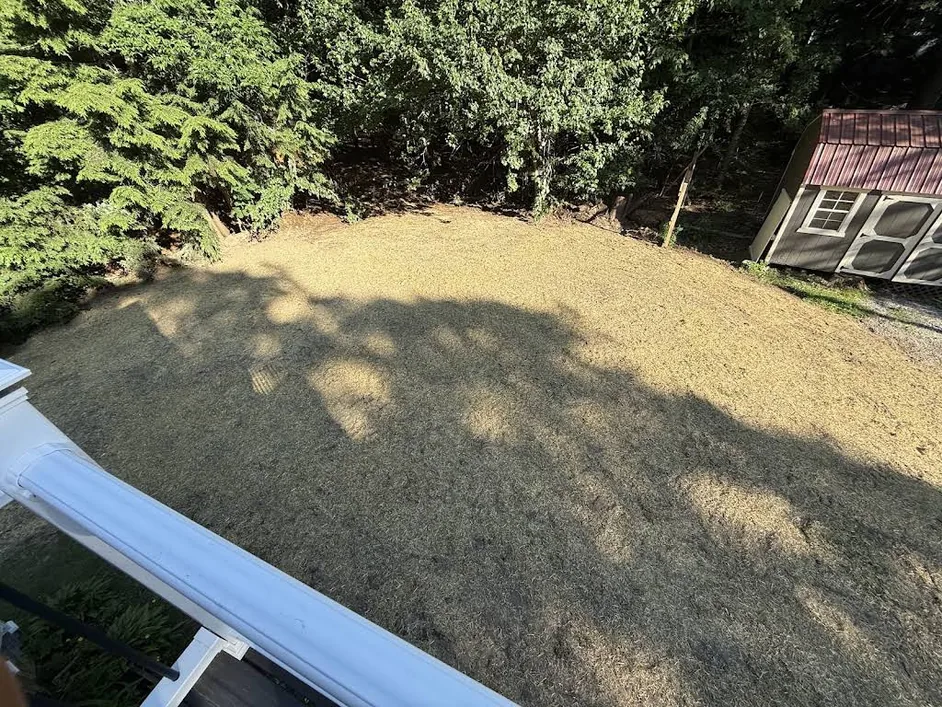
The LPI inspects again before the field is covered, and no part may be buried until it passes. Then at least 8 inches of fill and topsoil cover the fabric or chambers. The top 4 inches or more is soil that can grow grass. We grade the top so rain runs off, and the rules call for seed and mulch, or sod, right away.
Call or text for a written quote. We work about 25 miles around Gorham across the Sebago Lake area.
(603) 520-1970From the first call or text to the finished work, here is how it goes.
Call or text (603) 520-1970. Tell us what you see and which town the home is in.
We come out and look at the system and the lot. We find the part that failed.
You get the quote in writing before any work starts. The work begins after you say yes.
A new field or system starts with a site evaluator's design. When the work needs a permit, the town's local plumbing inspector issues it.
We fix the failed part or build to the design. After a new field goes in, we restore the yard.
Common questions about leach field replacement around Gorham and the Sebago Lake area. If yours is not here, call or text and ask.
When a failed septic system is past repair, we replace the whole system at your home. A site evaluator designs the new one, and we build it to that plan.
Learn More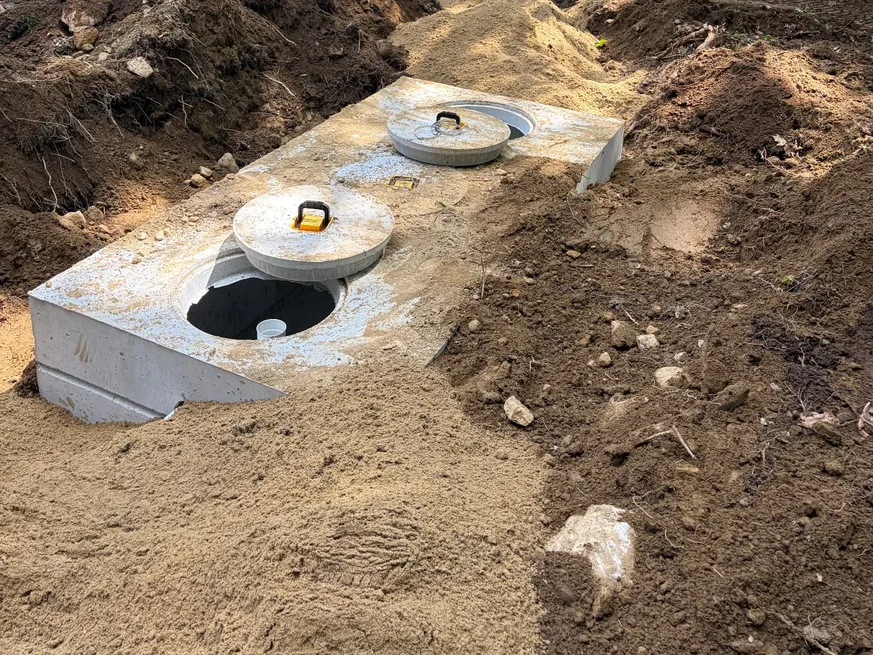
We find the part of your septic system that failed and fix that part. Every repair is quoted in writing before work starts.
Learn More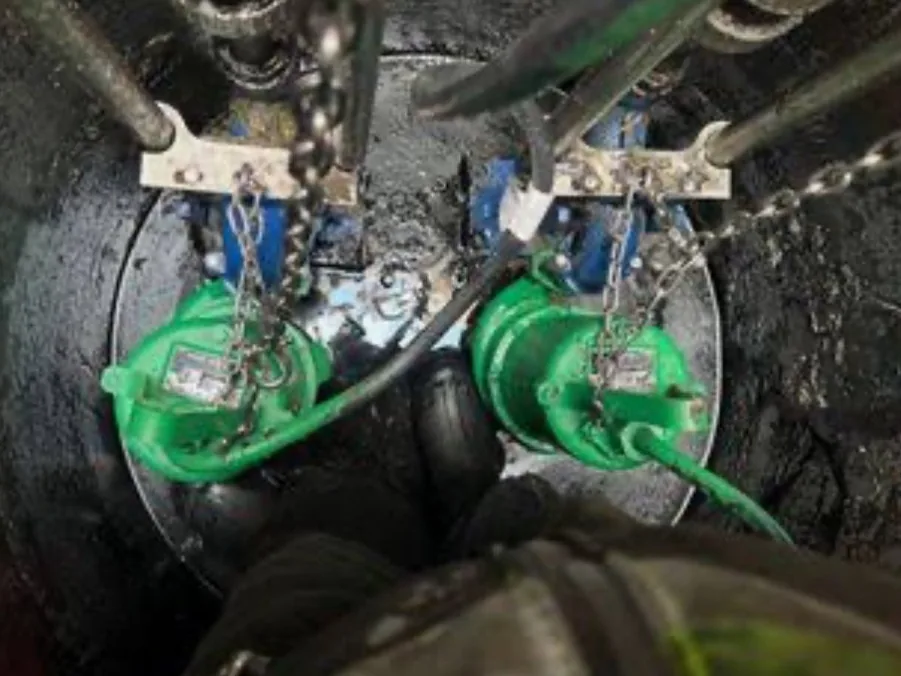
We repair and replace septic pumps, along with their floats and high-water alarms. When the alarm sounds, call or text and we find the failed part.
Learn MoreA failed leach field is the job we take on most. We build each new field to the site evaluator's design, then restore the yard.
We are a family-operated company, and we work about 25 miles around Gorham. That reaches the Sebago Lake shore towns and the edge of York County.
We dig with our own excavators and skid steer loader. They are kept at our Gorham base, a short drive from the lake.
We look at the system and the lot before we price the job. The quote comes to you in writing before any work starts.

What does leach field replacement cost in Maine? National ranges by field type, what soil and lake lots add, repair or replace, and state permit fees.
Read more →
Septic system installation cost in Maine: published ranges by system type, the state permit fee, tank sizes by bedroom, lake-lot rules and grant help.
Read more →
Signs of septic system failure, from slow drains to wet ground and pump alarms. What each one points to, and when a leach field needs replacing in Maine.
Read more →Tell us about the septic problem and the town the home is in. Call or text (603) 520-1970 or use the form, and we will get back to you.
Tell us about the leach field, septic system, sewage pump or sewer line and where the property is. We look at the job and put the quote in writing.